Streamlining Design Collaboration: Best Tools & Practices for BIM Managers
October 11, 2025
5.7 min read

Streamlining Design Collaboration: Best Tools & Practices for BIM Managers
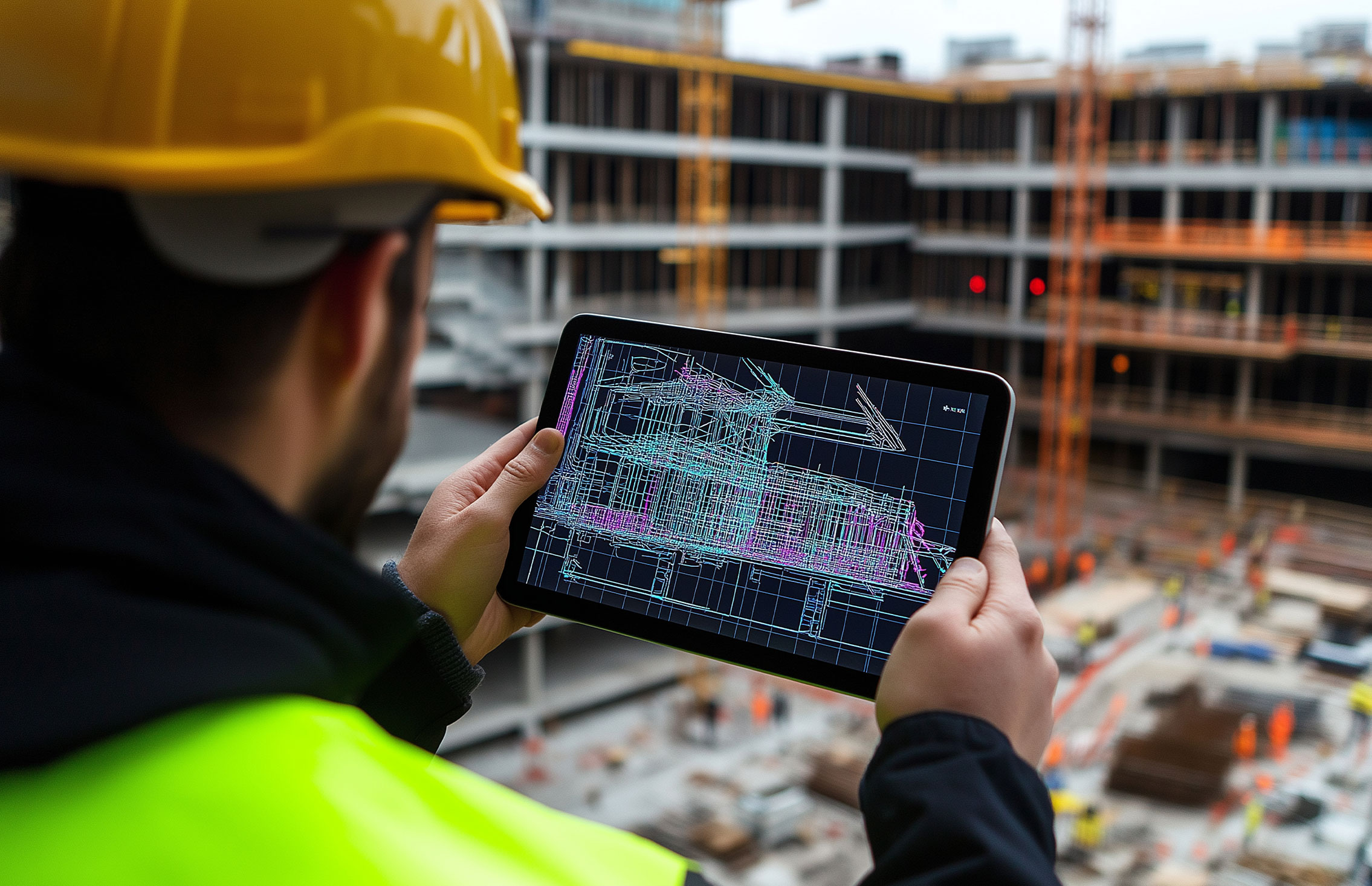
Collaboration is at the heart of successful Building Information Modeling (BIM) projects. With architects, engineers, contractors, and stakeholders all contributing to a single project, ensuring smooth communication and coordination is critical. Yet, challenges like version control issues, data silos, and software interoperability can slow down workflows and increase the risk of errors.For BIM managers, adopting the right tools and practices is essential to streamline collaboration, reduce delays, and improve overall project efficiency. This article explores the importance of real-time collaboration, highlights the best tools, and shows how TruScope facilitates seamless teamwork across project teams.
The Importance of Real-Time Collaboration in BIM
In BIM projects, multiple teams often work on interconnected systems simultaneously. Without real-time collaboration:
- Conflicts may arise between different disciplines’ models.
- Updates can be missed, leading to rework and inefficiencies.
- Decision-making is slowed due to lack of accessible, up-to-date information.
Real-time collaboration ensures that all team members work from the same data, reducing errors and enhancing transparency. It allows BIM managers to:
- Identify clashes and inconsistencies early in the design process.
- Keep all stakeholders informed with instant updates.
- Accelerate design iterations by reducing manual coordination.
By prioritizing real-time collaboration, BIM managers can ensure projects stay on track and under budget.
Tools That Improve Cross-Team Communication
Several digital tools are designed to support collaboration and streamline BIM workflows:
- Common Data Environments (CDEs) – Platforms like Autodesk BIM 360 or Trimble Connect centralize all project information, ensuring everyone has access to the latest models and documents.
- Cloud-Based Collaboration Tools – Tools like Revit Cloud Worksharing or Navisworks enable multiple users to work on the same model simultaneously, reducing conflicts and delays.
- Project Management Platforms – Tools such as Procore or Asana facilitate task management, version tracking, and deadline coordination across teams.
- Communication Integrations – Slack, Microsoft Teams, or integrated chat features within BIM platforms allow stakeholders to discuss updates and decisions in context.
Using these tools strategically allows BIM managers to break down silos and maintain smooth workflows across teams and disciplines.
How TruScope Facilitates Seamless Collaboration
While tools are essential, process and integration are equally important. TruScope enhances BIM collaboration by:
- Centralizing Project Data – Ensures all stakeholders have access to accurate, up-to-date models from a single source.
- Automating Updates and Alerts – Teams are automatically notified of changes, reducing miscommunication and version conflicts.
- AR-Driven Insights – Highlights potential design clashes or workflow inefficiencies before they impact the project.
- Supporting Cross-Team Workflows – Bridges gaps between architects, engineers, and contractors, facilitating smoother handoffs and approvals.
With TruScope, BIM managers gain both the tools and the insights necessary to coordinate complex projects effectively, ensuring timely delivery and higher-quality outcomes.
Best Practices for BIM Collaboration
In addition to tools, BIM managers should adopt the following practices:
- Define clear roles and responsibilities for all stakeholders.
- Establish data governance policies for versioning, naming conventions, and model updates.
- Conduct regular coordination meetings to review models and resolve issues.
- Promote a culture of transparency, encouraging open communication between teams.
By combining the right tools with structured practices, BIM managers can overcome common collaboration challenges and maintain project momentum.
Final Thoughts
Effective collaboration is no longer optional—it’s essential for BIM project success. Real-time communication, the right digital tools, and structured processes help teams reduce errors, accelerate workflows, and deliver projects on time.
With solutions like TruScope, BIM managers can streamline design collaboration, ensure data integrity, and enhance cross-team coordination, creating more efficient and predictable project outcomes.